
Keeping trucks moving and profitable comes down to two levers: fewer surprises and tighter control of cost-per-mile. This playbook shows how to build a practical system—rooted in preventive maintenance schedules, standardized inspection templates, and smart telematics—that improves fleet maintenance while strengthening DOT readiness.
1) PM schedules that actually stick
Start with an asset register (VIN, year, engine, transmission, duty cycle, tire size) and segment units by how they’re used: regional haul, vocational, stop-and-go, off-road, etc. Then set a three-tier PM cadence:
-
PM-A (fast service): fluids/filters, lube, visual leaks, belts/hoses, tire/TPMS checks, lighting, battery tests.
-
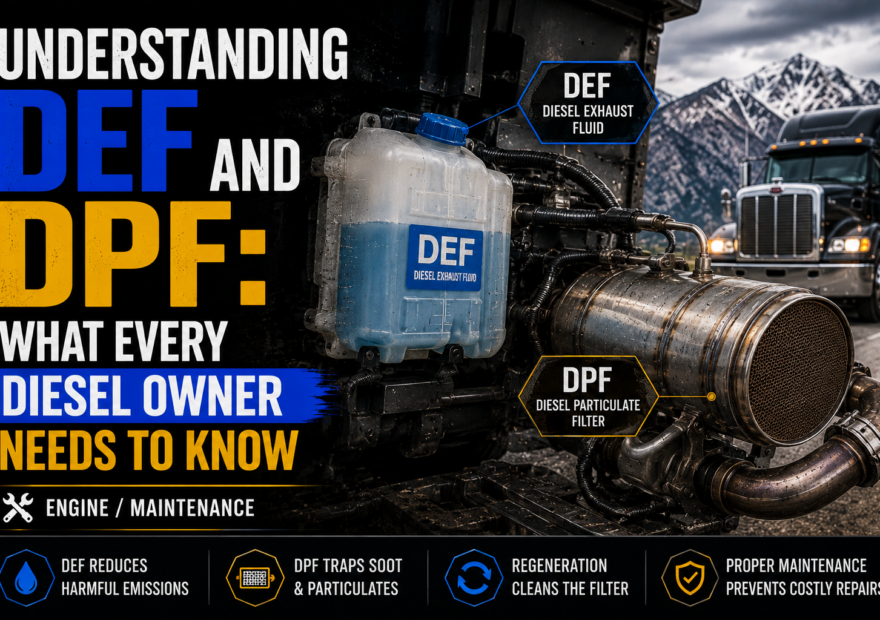
PM-B (deeper checks): brake lining & adjustment, hub endplay, suspension torque checks, alignment/tire wear diagnostics, coolant condition, DPF/aftertreatment review.
-
PM-C (major): differential & transmission service, cooling system exchange, steer & drive axle inspections, comprehensive torque audit.
Trigger by miles and hours (e.g., 10–15k mi or 250–400 hours for PM-A depending on duty cycle) and by calendar for seasonals (DEF system, wiper/washer, HVAC). Use OEM intervals as the floor and modify with your data. Track PM compliance %—target 90–95%+—and actively reschedule missed units within 7 days.
2) Inspection templates drivers and techs will actually use
Standardize your paperwork (or digital forms) so problems are caught early and documented for audits:
-
Daily driver DVIR (pre/post-trip): lights, tires, brakes (air loss, low-air warning), leaks, mirrors, coupling, emergency equipment.
-
Weekly shop inspection (60–90 points): brake stroke measurements, slack adjusters, wheel seals, suspension bushings, steering lash, frame/rail checks, exhaust/DPF mounts, wiring harness/loom, corrosion.
-
Monthly safety review: torque checks on wheels/suspension, battery load test, brake lining thickness trend, ABS light fault history.
Make fields required, include photo capture for defects, and generate repair orders directly from failed points. Keep records tied to the VIN for quick DOT readiness proof: DVIRs, corrective actions, and inspection sign-offs.
3) Telematics tie-ins that cut surprises
Telematics turns maintenance from reactive to predictive:
-
Automated PM triggers from odometer/engine hours—no more manual mileage calls.
-
Fault code triage (SPN/FMI) with severity rules; create work orders automatically for high-priority aftertreatment and brake system alerts.
-
Idling & harsh-event coaching to reduce soot load, fuel burn, and tire/brake abuse.
-
Geofenced service workflows: when a unit approaches the yard, the system queues due PM tasks and parts.
-
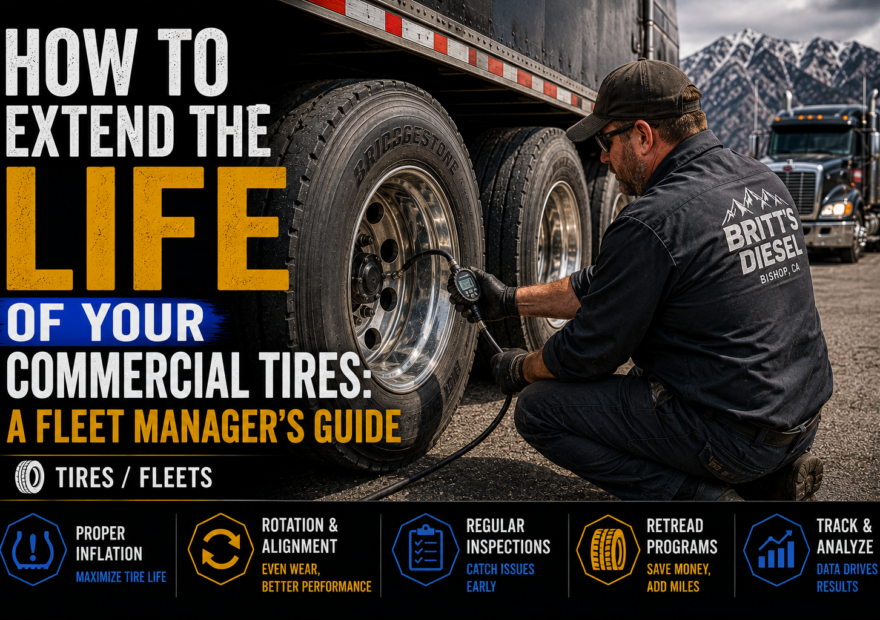
Tire health: TPMS/telematics alerts let you fix slow leaks before they become road calls.
4) Drive down cost-per-mile with the right metrics
Measure what matters and review it every 28–30 days:
-
Maintenance cost per mile (CPM) by asset segment
-
Scheduled vs. unscheduled ratio (target >70% scheduled)
-
Road calls/10k miles and tow rate
-
PM compliance % and defect recurrence % (repeat failures within 90 days)
-
Tire CPM and fuel economy trend (idle %, over-speed %, cruise usage)
-
Mean time between repairs (MTBR)
Use the data to adjust PM intervals, tire specs, brake friction choices, and training. Small gains—like a 1–2% idle reduction or catching a wheel seal early—compound into meaningful CPM drops.
5) Compliance built-in: effortless DOT readiness
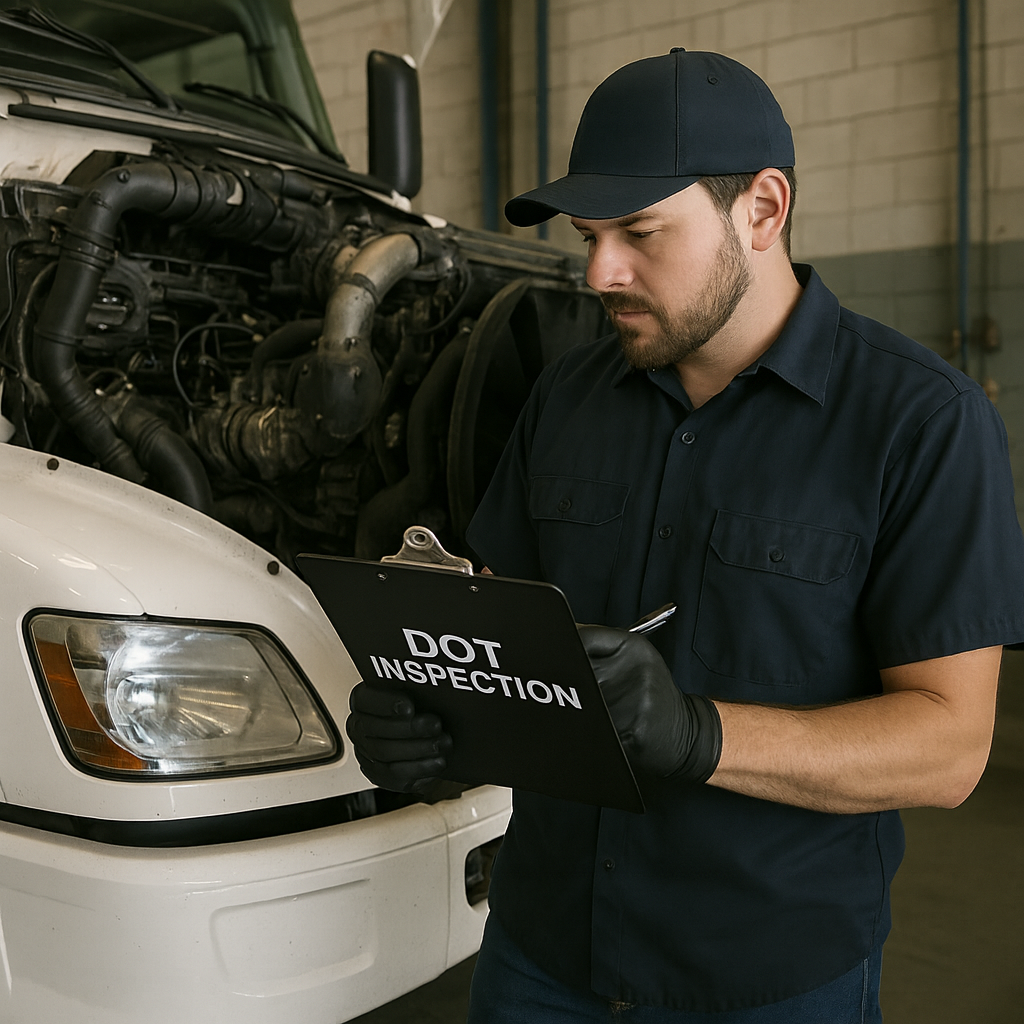
Fold compliance into the daily routine, not just audit week. Maintain annual inspections, brake adjustment records, DVIRs with repair verification, torque logs, and technician certifications in one system. Run mock audits quarterly so retrieval time for any record is under two minutes. When your processes are standardized, DOT readiness is the natural outcome.
6) 30-day rollout plan
Week 1: Asset inventory + segmenting; pick PM triggers.
Week 2: Publish PM-A/B/C checklists and DVIR templates; train drivers/techs.
Week 3: Connect telematics to your maintenance platform; enable automatic PM and fault-to-RO creation.
Week 4: Baseline CPM and reliability metrics; set targets and review cadence.
“Our fleet maintenance playbook turns downtime into drive time. By locking in PM schedules, using inspection templates that catch issues early, and tying telematics to work orders, you can lower cost per mile and keep your fleet DOT-ready.”Britts Diesel

Quick Summary
- Predictable PM schedules tailored to duty cycle—fewer surprises and fewer road calls.
- Standardized DVIR & shop inspection templates with photo proof—catch issues early.
- Telematics tie-ins—auto PM triggers, fault-code triage, and RO creation.
- Lower cost-per-mile—optimized tires, brakes, idle time, and parts planning.
- Built-in compliance—clean records for fast audits and year-round DOT readiness.
Dialing in these three pillars—Preventive maintenance schedules, inspection templates, and telematics—will cut downtime, push more miles between failures, and lower your cost-per-mile while elevating fleet maintenance standards across the board. If you want help building the templates and dashboards, we can set up the full workflow and hand it off to your team.