Diesel Engine Service & Repair
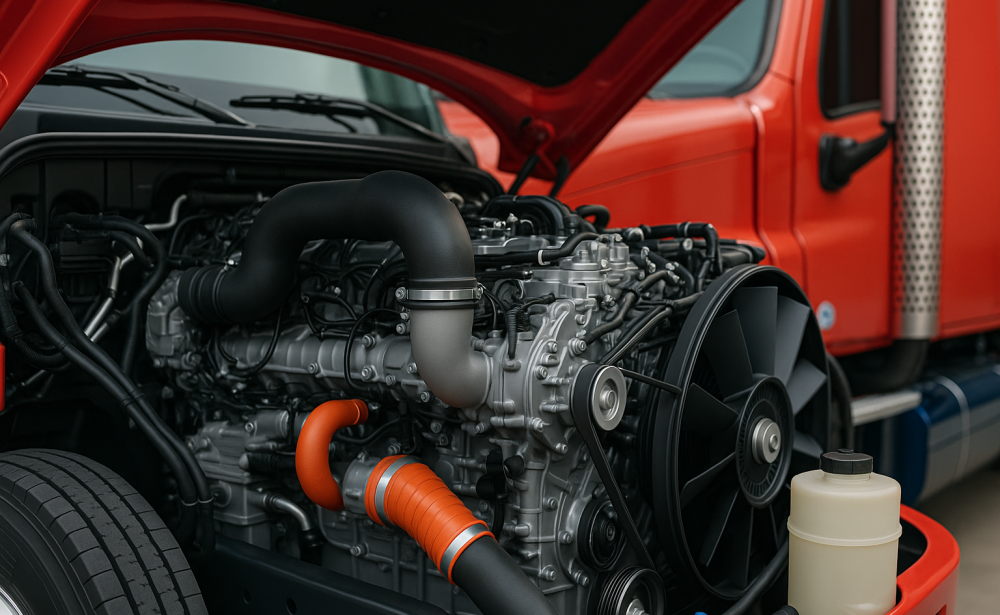
Your diesel engine is the heart of your vehicle, and at Britt’s Diesel, we keep it running strong. From minor tune-ups to major overhauls, our experienced technicians handle all aspects of diesel engine repair with precision and care. We diagnose and repair issues like hard starts, overheating, poor fuel economy, loss of power, oil or coolant leaks, and unusual noises.
Using advanced diagnostic tools and high-quality parts, we get to the root of the problem—not just the symptoms—so your vehicle delivers the performance and reliability you depend on. Whether you drive for work, haul heavy loads, or run a fleet, our goal is to maximize engine life, efficiency, and power. You can trust us to restore your diesel engine’s strength and keep you confidently on the road.
Engine Knowledge
Skilled Mechanics
Quality Equipment
Benefits of Service
Regular engine service keeps your diesel vehicle running at peak performance while preventing costly breakdowns. Proper care improves fuel efficiency, extends engine life, reduces emissions, and ensures your vehicle has the power and reliability needed for heavy-duty work or long hauls.
- Extend the life of your diesel engine
- Improve fuel economy and efficiency
- Maintain maximum power and performance
- Reduce emissions and environmental impact
- Prevent costly breakdowns and repairs
Engine Service FAQs
Your diesel engine is the heart of your vehicle, and proper care is vital for performance and reliability. This section answers common questions about engine service, repair, and replacement—covering warning signs, service needs, and how maintenance extends engine life.
Most diesel engines should be serviced every 5,000–7,500 miles, but heavy-duty use or fleet vehicles may need more frequent maintenance.
Common signs include hard starts, loss of power, poor fuel economy, rough idling, excessive smoke, or unusual engine noises.
Yes. Clean filters, proper lubrication, and well-maintained fuel and cooling systems all help maximize efficiency and lower fuel costs.
Absolutely. Routine inspections catch small problems—like leaks, clogged filters, or worn belts—before they turn into expensive breakdowns.
Diesel engines run under higher compression and carry heavier loads, so they require specialized parts, fluids, and expertise to stay reliable.